


- Gangnam Standard
Through Compassion and Communication
I am Dr.Joowon Joh, an orthopedic specialist with over 15 years of experience
and advanced training in Sports Medicine in Florida, USA.
We provide evidence-based diagnosis and personalized treatment
focused on recovery and long-term injury prevention.
Our goal is to offer clear communication, accurate care,
and a trusted medical experience for every patient.
- Standard Care
evidence-based care, precise diagnosis, functional recovery, and
long-term prevention—
the true standard of orthopedic treatment.

-
- Evidence-Based Standard Care
- We base every treatment on medical
evidence—using history, imaging, and
functional assessment to choose the safest
and most effective option. 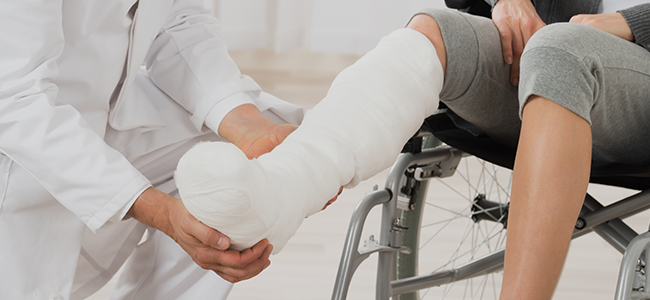
-
- 15+ Years in Foot, Ankle
& Sports Injuries- With over 15 years of specialized experience,
Dr. Joh personally evaluates every patient
and applies the latest medical knowledge
to each diagnosis and treatment. - 15+ Years in Foot, Ankle

-
- Thorough & Easy-to-Understand
Consultation- We explain conditions, test results, and
treatment options clearly and simply
—earning our reputation as a
“clinic that explains well.” - Thorough & Easy-to-Understand

-
- Advanced Diagnostic
Equipment for Precision- We use high-resolution ultrasound, X-ray,
and shockwave systems with a multi-modal
approach to ensure accurate diagnosis
and reduce misdiagnosis. - Advanced Diagnostic
-
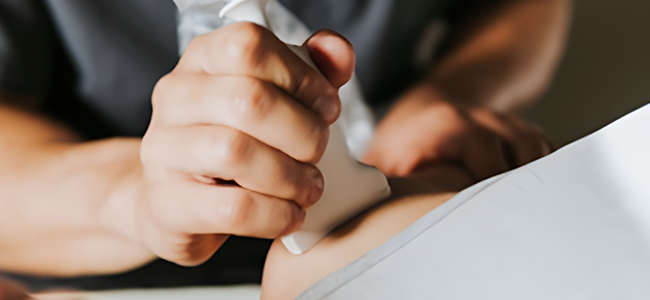
- Minimally Invasive,
Non-Surgical First Approach- We prioritize non-surgical treatments—
manual therapy, injections, shockwave, and
rehabilitation—and consider surgery only
when truly necessary. - Minimally Invasive,

-
- Functional Recovery,
Not Just Pain Relief- We restore strength, stability, and mobility to
address the root cause and prevent
recurrence, guiding active patients safely back
to their sport. For active and athletic patients,
we guide them step-by-step through
a safe return-to-sport pathway. - Functional Recovery,
-
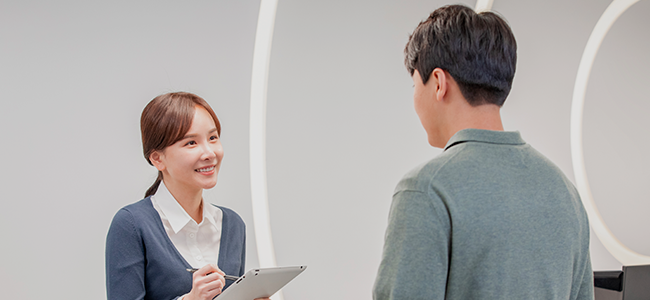
- A Clear and
Well-Structured Care Experience- We guide patients clearly through every
step—from registration to follow-up—
ensuring they never feel confused. Known as
a “clinic that communicates well,” we aim to
be a trusted orthopedic care partner. - A Clear and
- Gangnam Standard
-
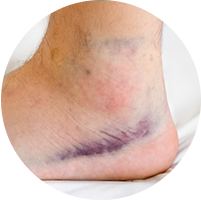
- Ankle Sprain
- A sprain occurs when the ligament
connecting one bone to another is stretched
or partially torn. -
- Severe pain, swelling, and bruising
- Untreated sprains may weaken the ligament and become chronic
- Repeated sprains can lead to ankle instability or arthritis
-
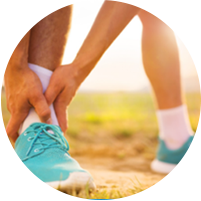
- Chronic Ankle Instability(CAI)
- Chronic ankle instability develops when
weakened ankle ligaments fail to recover
properly after an initial sprain, leading to
repeated episodes of giving way and
persistent instability. -
- Difficulty maintaining balance on one foot
- Swelling around the lateral ankle
- Pain during walking or running with frequent recurrent sprains
-
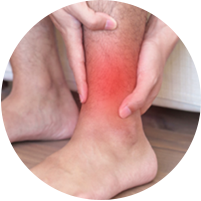
- Ankle Arthritis
- Ankle arthritis occurs when inflammation
develops within the ankle joint.
It may result from cartilage damage,
previous sprains, or fractures. -
- Pain and stiffness when walking
- Difficulty walking in severe cases
- Reduced range of motion in the ankle
-
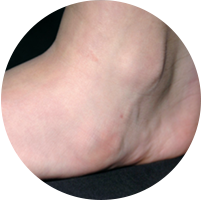
- Accessory Navicular Syndrome
- An accessory navicular is an extra bonel
ocated on the inner side of the foot near the
arch. Most cases are asymptomatic, but pain
can occur—especially if irritation or pressure
affects the surrounding tissues. -
- Pain or discomfort on the inside of the foot,
especially after activity or wearing tight shoes.- Swelling or tenderness around the accessory bone area.
- In severe cases, pain can occur even during daily activities.
- Pain or discomfort on the inside of the foot,
-
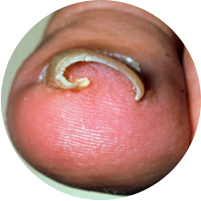
- Ingrown Toenail
- An ingrown toenail occurs when the edge of
the nail curves inward and grows into the
surrounding skin, causing pain and
inflammation. If untreated, it may lead to
secondary bacterial infection. -
- Pain when walking or running
- Redness, swelling, or discharge due to inflammation
- Severe cases may produce odor or localized infection
-
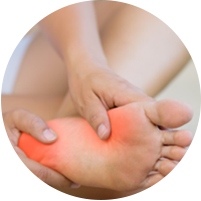
- Plantar Fasciitis
- Plantar fasciitis occurs when the plantar fascia,
the band of tissue connecting the heel bone,
becomes irritated or inflamed, causing heel
and arch pain. -
- Sharp pain on the bottom of the heel or arch
- Increased tenderness and swelling in the heel area
- Pain is typically worst with the first steps in the morning
-
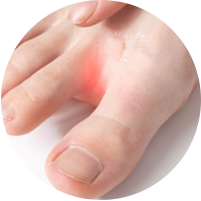
- Interdigital Neuroma
- Interdigital neuroma occurs when the nerve
between the toes becomes thickened due to
repetitive pressure, causing radiating pain
toward the toes. -
- Pain in the ball of the foot when walking or wearing shoes
- Pain when pressing between the toes
- Symptoms improve when shoes are removed
-

- Achilles Tendonitis
- Achilles tendonitis occurs when excessive
stress is placed on the Achilles tendon
leading to inflammation and pain. -
- Pain when getting up in the morning or after rest
- Swelling or thickening of the tendon
- Severe pain and a popping sound if a tear occurs
-
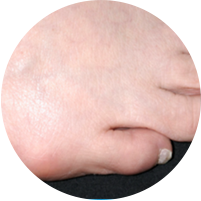
- Tailor’s Bunion
- A deformity in which the joint at the base of
the little toe protrudes outward. It commonly
occurs in people with a wide forefoot and
can be aggravated by certain footwear habits. -
- A bony bump on the outside of the little toe joint
- Pain with callus formation
- Worsening pain when wearing narrow or tight shoes
-
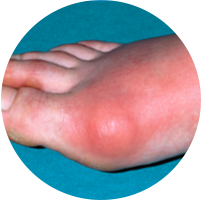
- Hallux Valgus
- Hallux valgus is a condition where the big toe
deviates outward, causing a bony bump on the
inner side of the toe. -
- Pain as the big toe shifts toward the second toe.
- Forefoot widening, causing pain even with slightly tight shoes.
Injuries to the ligaments, muscles, tendons, or bones that occur during sports activities.
-
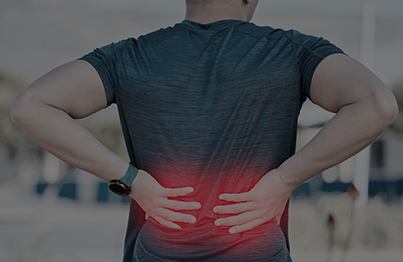 Spine
Spine
- Lumbar Sprain
- Lumbar Disc Herniation
- Spinal Stenosis
- Forward Head Posture / Straight Neck
- Cervical Disc Herniation
-
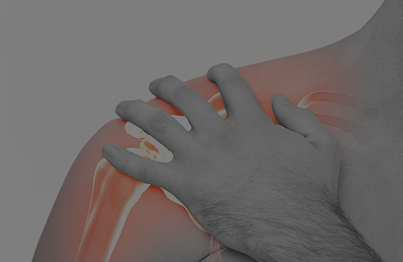 Shoulder
- Shoulder Impingement Syndrome
- Frozen Shoulder (Adhesive Capsulitis)
- Shoulder Dislocation
- Rotator Cuff Tear
- Calcific Tendinitis
- Superior Labrum Tear (SLAP Lesion)
-
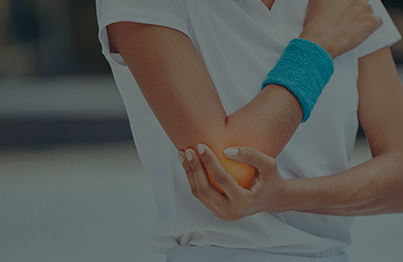 Elbow
Elbow
- Tennis Elbow
- Golfer’s Elbow
- Elbow Fracture
-
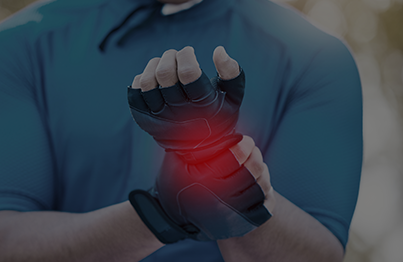 Hand & Wrist
- TFCC Injury, De Quervain’s, Tenosynovitis
- Wrist & Finger Fractures
- Mallet & Trigger Finger
- Ganglion Cyst
- Carpal Tunnel Syndrome
-
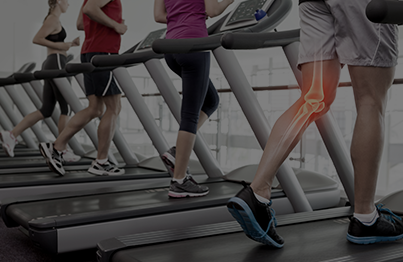 Knee
Knee
- Meniscus Tear
- Ligament Injuries (ACL / PCL / MCL / LCL)
- Degenerative Arthritis
- Chondromalacia & Plica Syndrome
- Knee Fracture
-
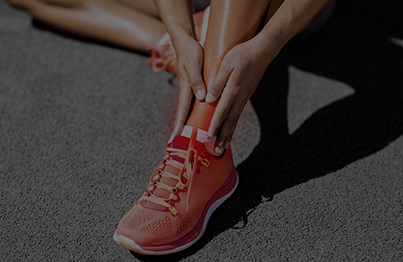 Foot & Ankle
- Ankle Ligament Injury
- Ankle & Midfoot Fractures
- Lisfranc Ligament Injury
- Toe Fracture
- Ankle Cartilage Injury
- such as fractures, sprains, or dislocations cause significant swelling, severe pain,
and limited range of motion.
- present with persistent swelling and pain at the injured site, and even minor stress can
lead to repeated injury due to instability.
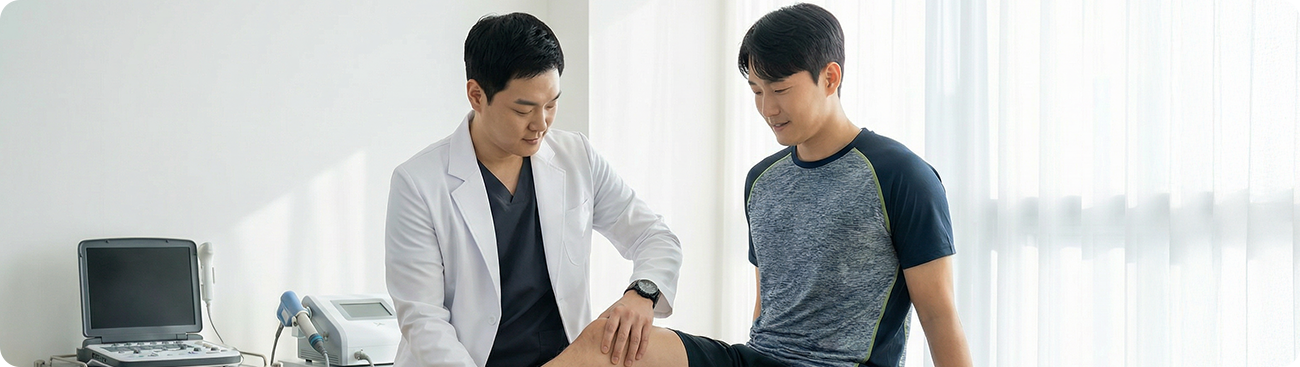
- Most sports injuries recover well with non-surgical treatment
Mild injuries may heal with rest, but if pain persists, injections, shockwave therapy, and exercise-based rehabilitation become essential for proper recovery.
Even many ligament tears respond effectively to non-surgical care, and most fractures can also be treated
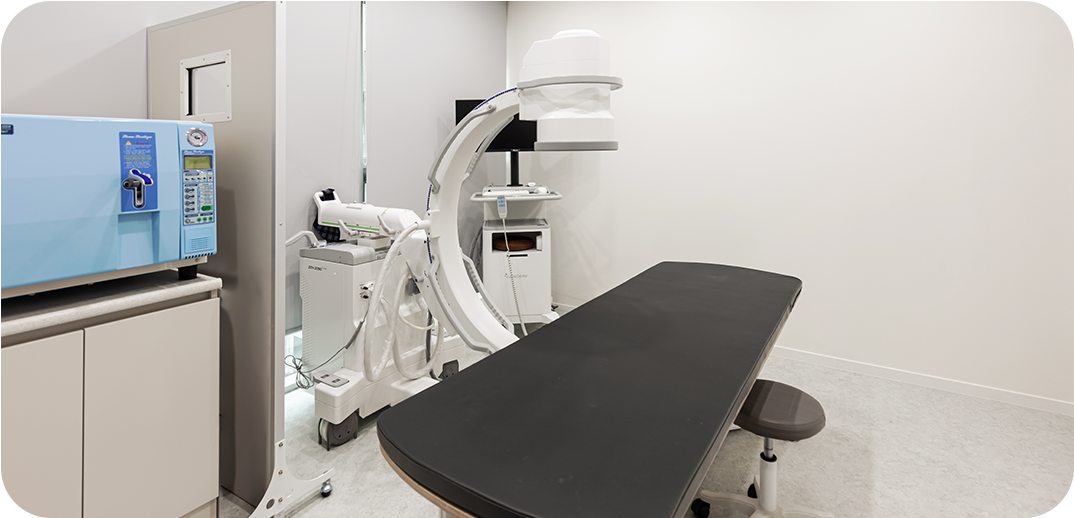
without surgery through precise alignment under real-time imaging.
-
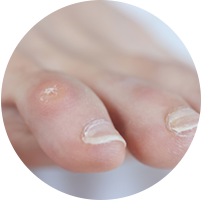
- Corns Between Toes
- An interdigital corn forms when repeated
friction or pressure causes a cone-shaped
buildup of keratinized skin. It has a firm
central core that presses into the skin,
leading to pain.
-
- Pain when walking
- Skin may feel soft and moist due to sweat
- May develop blisters, inflammation, or minor bleeding
-
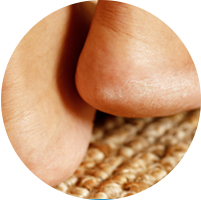
- Callus on the Sole
- A plantar callus develops when excessive
pressure is applied to the sole of the foot,
causing the skin to thicken and form
hardened keratinized layers.
-
- Pain when wearing hard-soled shoes for long periods
- Large calluses may recur even after removal
- Severe cases can cause pain with every step
Quick, gentle closure of open wounds to prevent infection and reduce scarring.
-
- POINT 01
- Precise
evaluation - +
-
- POINT 02
- Scar-reducing
techniques - +
-
- POINT 03
- Safe,
gentle closure
-
STEP01
- Assessment
- Check wound condition
& infection risk -
STEP02
- Cleaning
- Remove debris
and disinfect -
STEP03
- Closure
- Careful suturing of
each tissue layer -
STEP04
- Dressing
- Stop bleeding
and apply sterile dressing -
STEP05
- Follow-Up
- Monitor healing
& provide scar care
-
- 1Precise evaluation by an orthopedic specialist
identifying muscle, tendon, and nerve damage - 1Precise evaluation by an orthopedic specialist
-
- 2Refined micro-suturing that considers incision
direction, spacing, and skin tension - 2Refined micro-suturing that considers incision
-
- 3Structured safety management to prevent
infection, swelling, and wound reopening - 3Structured safety management to prevent
-
- 4Rehab-integrated aftercare to prevent
stiffness and recurrence in functional areas - 4Rehab-integrated aftercare to prevent
Spine and joint disorders often develop from repeated strain and poor lifestyle habits.
Without proper treatment, these conditions may gradually worsen and lead to chronic pain.
Without proper treatment, these conditions may gradually worsen and lead to chronic pain.
-
- POINT 01
- Poor posture
- +
-
- POINT 02
- Degenerative changes
of the spine - +
-
- POINT 03
- Repetitive or
excessive movements
-
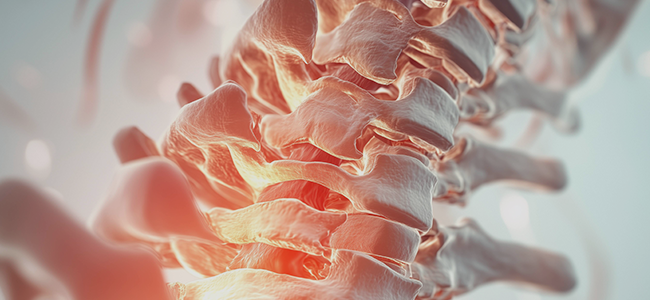
- Types of Spinal Conditions
- Cervical & lumbar disc herniation
- Spinal stenosis
- Scoliosis
- Forward head posture
- Flat-back syndrome
-
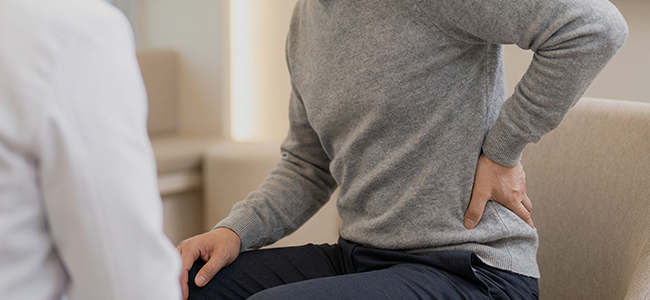
- Common Symptoms
- Back or leg pain when coughing or sneezing
- Leg numbness or radiating pain to the hip
- Pain when bending or sitting for long periods
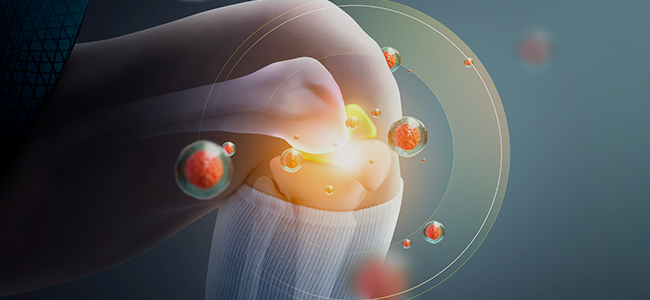
Joint problems are very common, and delaying treatment can lead to
progressive cartilage damage and more difficult recovery.
progressive cartilage damage and more difficult recovery.
-
- Calcific tendinitis, shoulder impingement, frozen shoulder
- Tennis elbow, golfer’s elbow
- Rotator cuff tear
- Knee osteoarthritis, hip arthritis
- Ankle sprains and ligament injuries

-
- Symptoms
- Sharp pain when moving the arm or knee
- Stiffness or limited range of motion
- Pain when lifting the arm or putting weight on the joint
With Non-Surgical Treatment
We offer treatment plans that address the root cause of pain and promote long-term recovery.
-
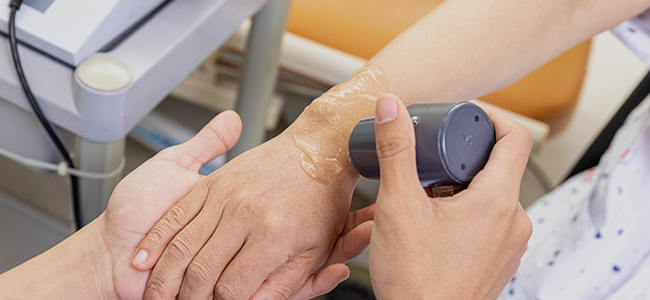
- Non-Surgical Pain Management
- C-ARM guided injections
- Shockwave therapy (ESWT)
- Muscle & ligament injections
-
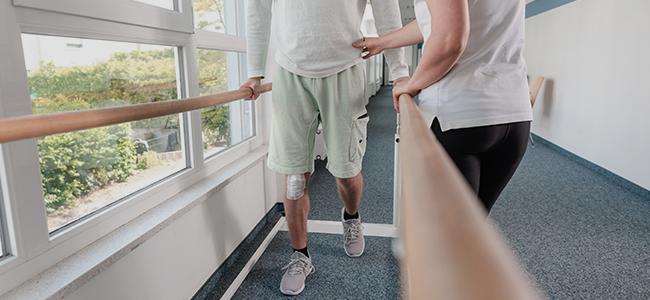
- Root-Cause Care & Rehab
- Manual therapy for balance correction
- Rehab program for posture & strength recovery
-
- Accurate Imaging
Diagnosis - Accurate Imaging
-
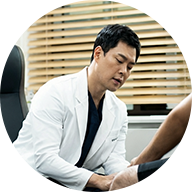
- Specialist 1:1 Care
-
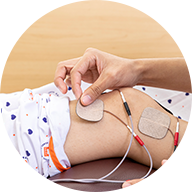
- Non-Surgical First
Approach - Non-Surgical First
-
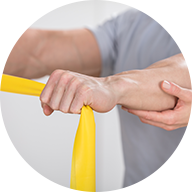
- Integrated
Rehabilitation System - Integrated
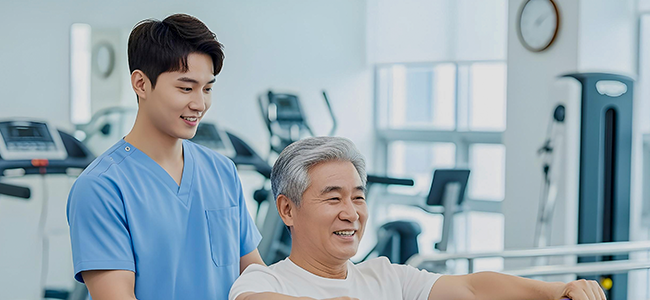
A non-surgical treatment that restores normal movement by correcting pain
and dysfunction caused by poor posture, muscle and joint imbalance, and repetitive strain
—performed directly by specialists through hands-on techniques.
and dysfunction caused by poor posture, muscle and joint imbalance, and repetitive strain
—performed directly by specialists through hands-on techniques.
-
- POINT 01
- Personalized 1:1
Manual Therapy - +
-
- POINT 02
- Private Treatment
Rooms - +
-
- POINT 03
- Posture & Lifestyle
Correction
-
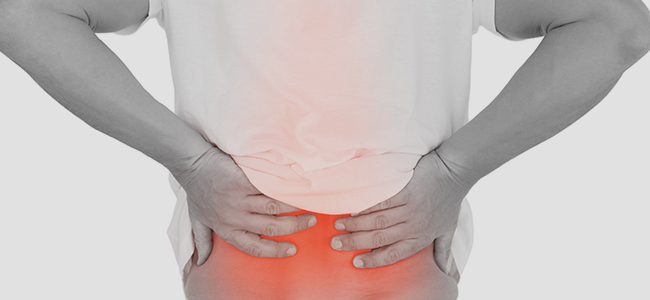
- Benefits of Manual Therapy
- Directly addresses the root cause of pain
- Corrects poor posture and body alignment
- Effective for post-surgery rehabilitation
- Improves joint stability and muscle balance
- Enhances daily function and helps prevent recurrence
-
- Who Can Benefit
- Chronic pain (neck, back, shoulder, knee, etc.)
- Patients needing post-surgery rehabilitation
- Posture and alignment issues (forward neck, rounded back)
- Sports injuries and muscle imbalances
- Discomfort from stress or myofascial tension
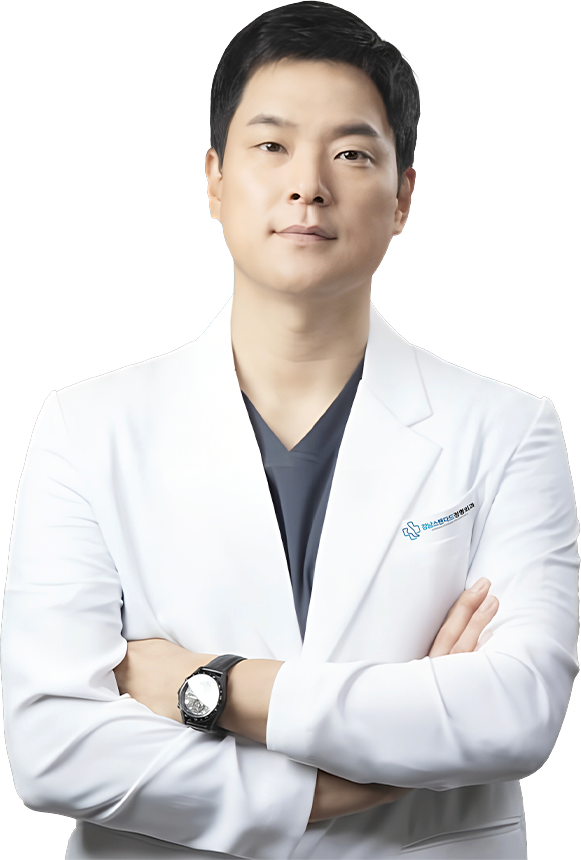
- Gangnam Standard
Gangnam Standard Orthopedics
- Orthopedic Surgeon / Medical Director
Florida Jacksonville University (USA)
USA (2021–2022)
-
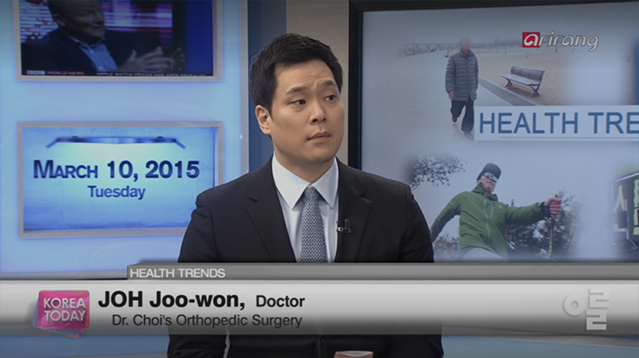
- Arirang TV, Health Trends (03/10/2015)
– Walking as Exercise - Arirang TV, Health Trends (03/10/2015)
-
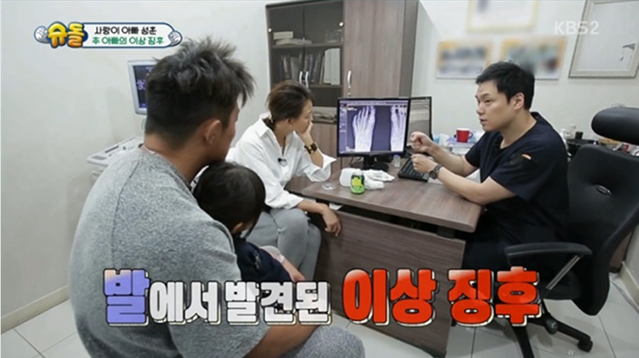
- KBS2 – The Return of Superman (2016.12.11)
Episode featuring Choo Sung-hoon - KBS2 – The Return of Superman (2016.12.11)
-
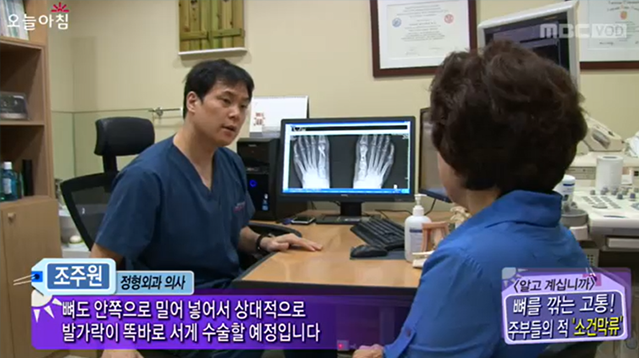
- MBC – Live Today Morning Show (2015.07.10)
Bunionette (Tailor’s Bunion) - MBC – Live Today Morning Show (2015.07.10)
-
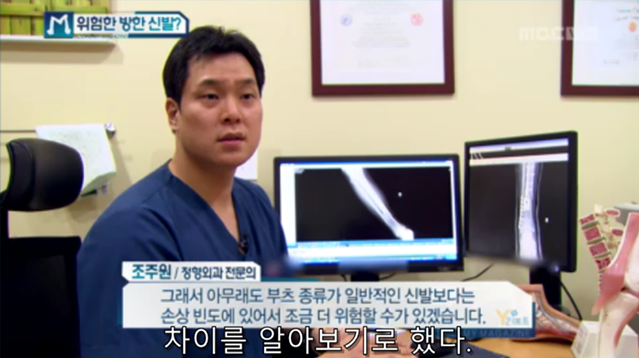
- Medical Observer (2015.09.11)
Ankle Disorders - Medical Observer (2015.09.11)
- Gangnam Standard
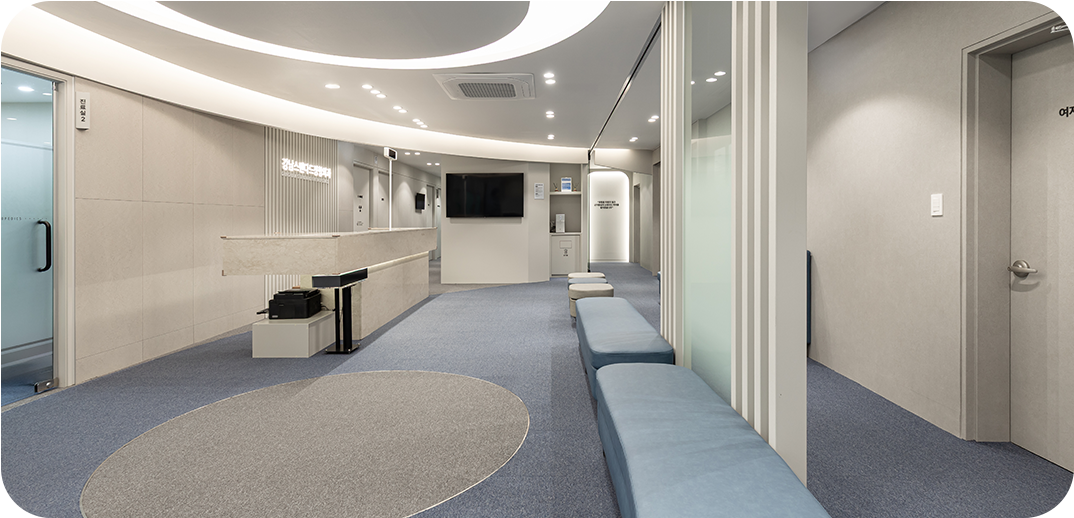
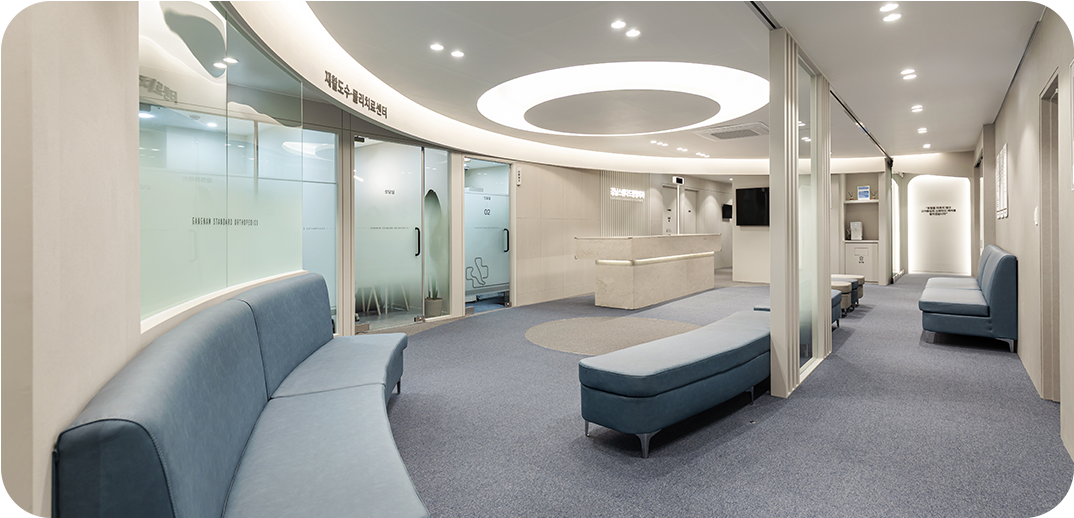
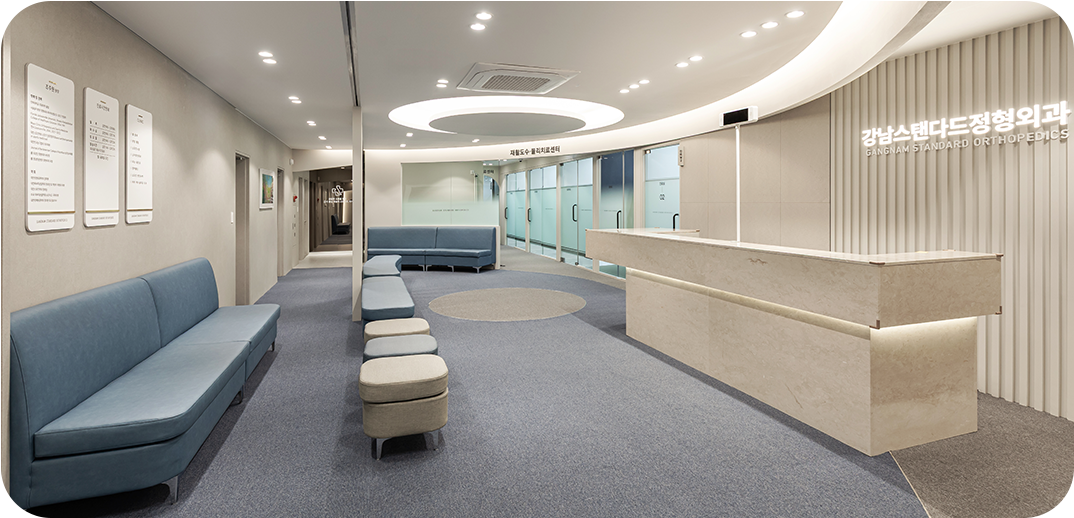
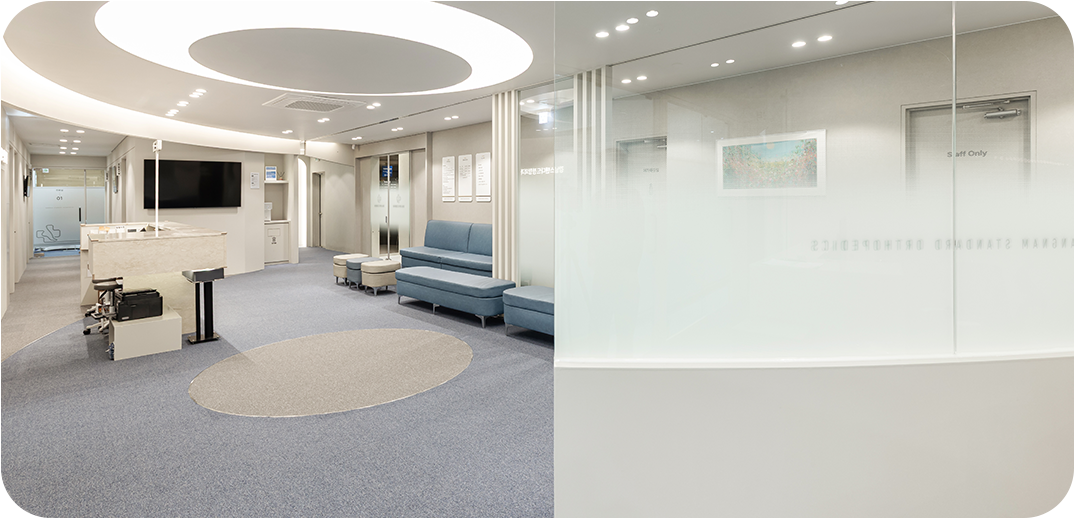


-
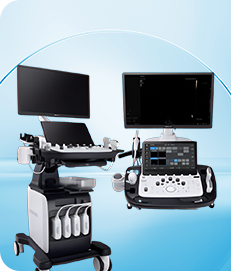
- Ultrasound System V8
- Samsung Ultrasound V8
- Provides high-resolution, low-noise imaging with real-time nerve tracking, allowing fast and precise musculoskeletal diagnosis.
-
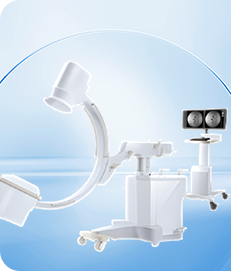
- Genoray C-arm
- Fluoroscopy System
- Delivers stable, high-resolution imaging for accurate visualization and precise lesion localization.
-
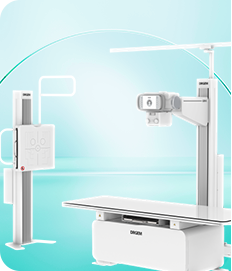
- DRGEM X-ray
- Digital Diagnostic X-ray System
- Automatically optimizes imaging settings for each body area, delivering fast and accurate high-quality diagnostic images.
-
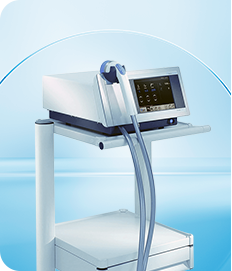
- Dornier Aries
- Extracorporeal Shockwave Therapy Device
- Features advanced electromagnetic technology with Smart Focus™ for safe, precise, and effective shockwave treatment.
-
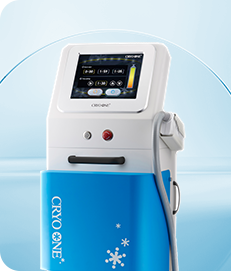
- Cryo-One
- Cryogenic Spray Cooling Therapy Device
- Delivers high-pressure CO₂ cooling at -78°C for targeted cryotherapy with strong anti-inflammatory and pain-relief effects.
-
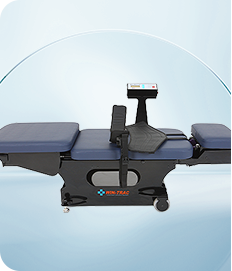
- WIN TRAC LC100
- LC100 Motorized Orthopedic Traction Device
- Designed with ergonomic principles to provide optimal comfort and stability during traction therapy.
- Gangnam Standard
English-friendly · Orthopoedic board certified · Sports Medicine Specialist
-

- English Consultation Available
- Clear and accurate communication in English
- The medical director has extensive U.S. training and communicates fluently in medical English.
- Diagnosis, test results, and treatment plans are explained thoroughly in English.
- Ideal for patients unfamiliar with the Korean medical system.
-

- Seoul Metropolitan Government–Certified
Healthcare Provider for International Patients- Exosomes, Rejuran, Juvelook- High-performance skin solutions
- Certified by the Seoul Metropolitan Government as an official medical institution for international patients.
- Meets standards for patient safety, medical communication, and language support.
- A trusted clinic for foreign patients seeking safe and reliable care.
- Seoul Metropolitan Government–Certified
-

- Global Training & Direct Care by the Medical Director
- Mayo Clinic & Florida Jacksonville University Training
- Trained directly within U.S. sports medicine systems.
- Extensive experience treating patients from various countries.
- Communicates with cultural understanding and international patient sensitivity.
-

- Foreign Patient–Friendly Process
- Tailored System for Overseas Patients
- English support for registration, guidance, examinations, and treatment.
- Fast scheduling for short-term visitors.
- English treatment summary provided after care.
- Follow-up consultation available via email or messenger.
- Test results and imaging files can be provided upon request.
-

- Global-Level Care for Sports Injuries
& Foot/Ankle Conditions- Sports Injury & Foot/Ankle Specialist
- Ankle sprains, ligament injuries, foot and ankle pain.
- Detailed diagnosis and functional recovery programs.
- Extensive experience treating expats and foreign athletes.
- Global-Level Care for Sports Injuries
-

- Prime Accessibility — 300m from
Gangnam Station Exit 5- Easy Access from Anywhere
- 3–4 minutes on foot from Gangnam Station (Exit 5).
- Convenient access from hotels, offices, and major transit.
- Ideal for travelers and business visitors needing prompt medical care.
- Prime Accessibility — 300m from
- Gangnam Standard
-
Phone Reservation & Consultation+82-2-587-8884

- Clinic Hours
-
Monday & Thursday | 9:00 AM ~ 8:00 PM
Tuesday & Wednesday & Friday | 9:00 AM ~ 7:00 PM
Saturday | 9:00 AM ~ 2:00 PM
Lunch Break | 1:00 PM ~ 2:00 PM (No lunch break on Saturdays)
Closed on Sundays and Public Holidays
- 3rd Floor, 175 Saimdang-ro, Seocho-gu,
Seoul, South Korea
- If you're coming by subway,
- Get off at Gangnam Station on Sinbundang Line (or Line 2), exit through Exit 5,
and you'll find us just 300 meters away on the 3rd Floor of the building
at 175 Saimdang-ro, Seocho-gu, Seoul.
